
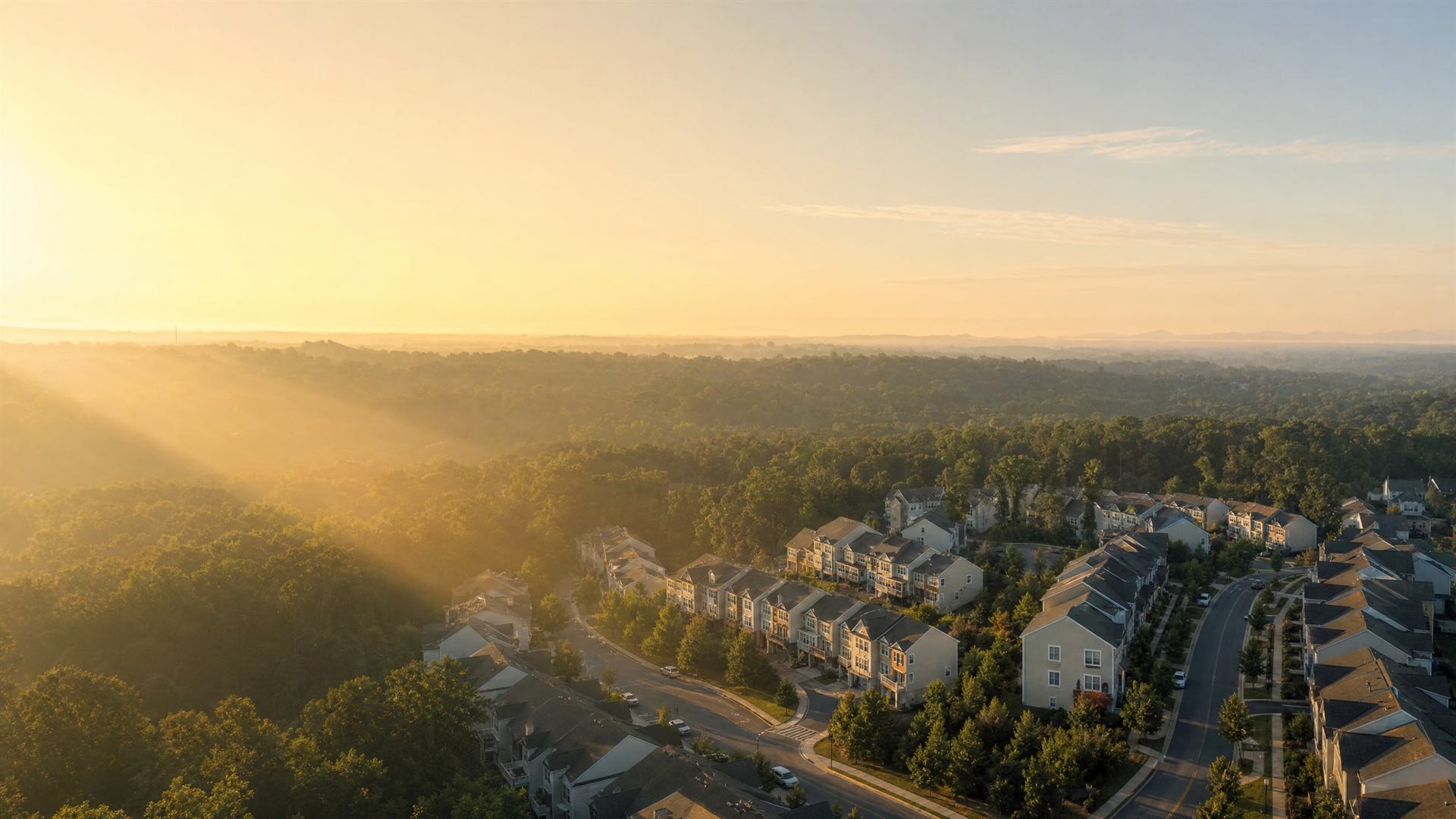
Solar without
the rooftop.
Lightweight solar panels that plug into a regular outlet.
Why Terrace Solar
Rooftop solar doesn’t fit every home.
A rented unit, a shared roof, a condo board, an unusable roofline — any of them can end the conversation before it starts. Terrace starts smaller and sizes around the space you actually have.
- Renters & condos — a solar option that doesn’t begin with permanently modifying the roof.
- Modular — start with one kit, add more when you need it.
- Flexible placement — sized around a balcony, patio or yard, not a fixed roof plane.
Where it goes, how it works
Wherever there’s sun
and an outlet.
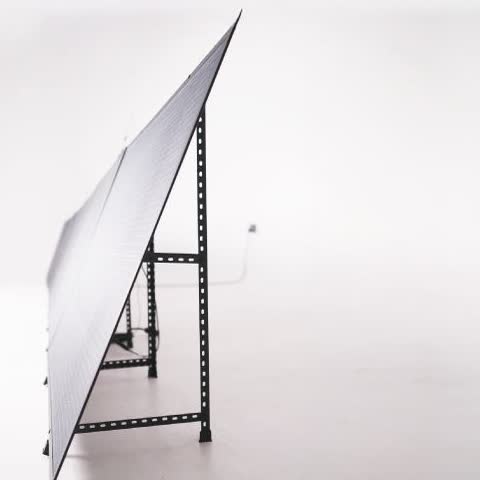 Balconies & railings
Lightweight panels mount without taking over the space.
Balconies & railings
Lightweight panels mount without taking over the space.
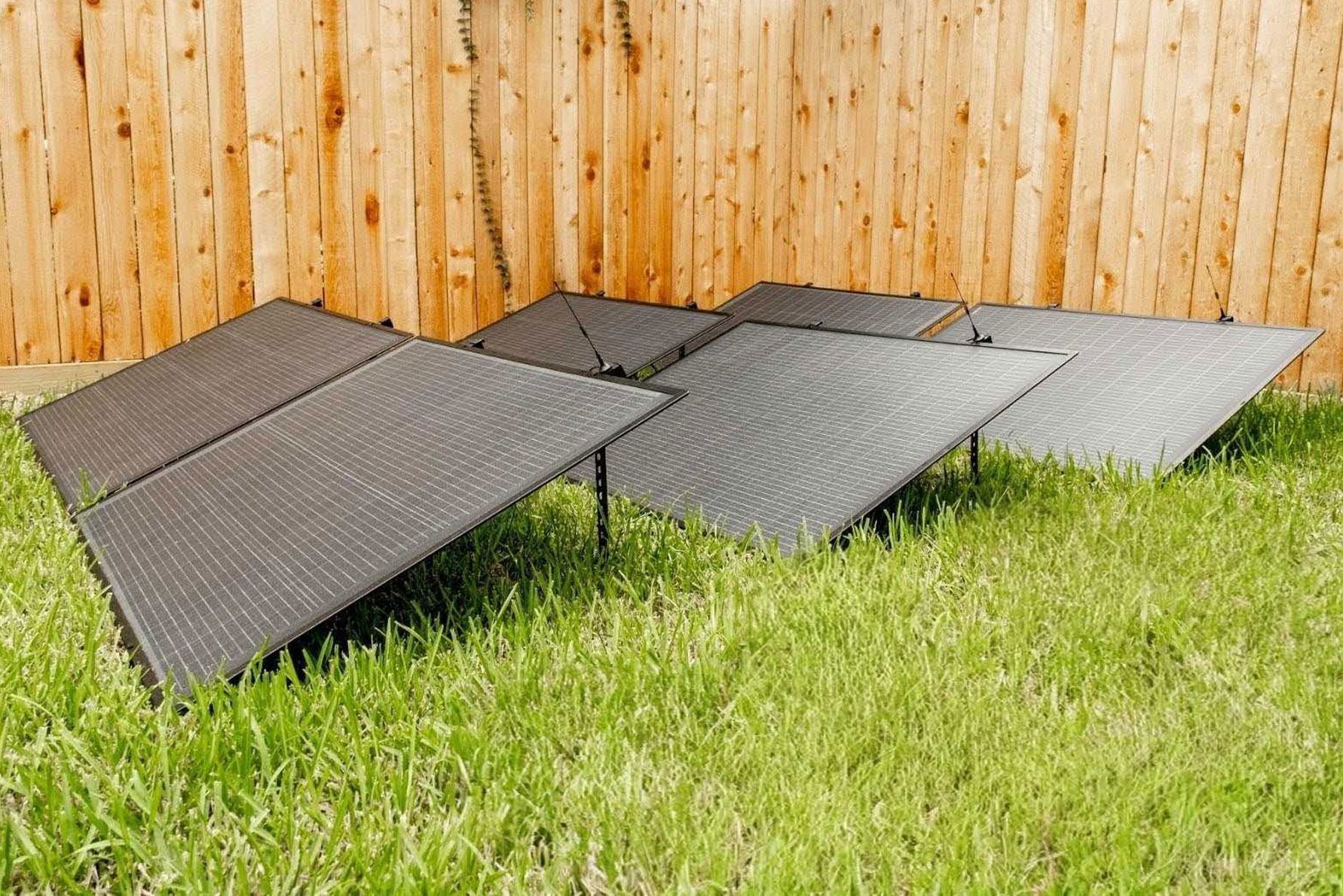 Patios & yards
Stands on the ground, sized to the space you have.
Patios & yards
Stands on the ground, sized to the space you have.
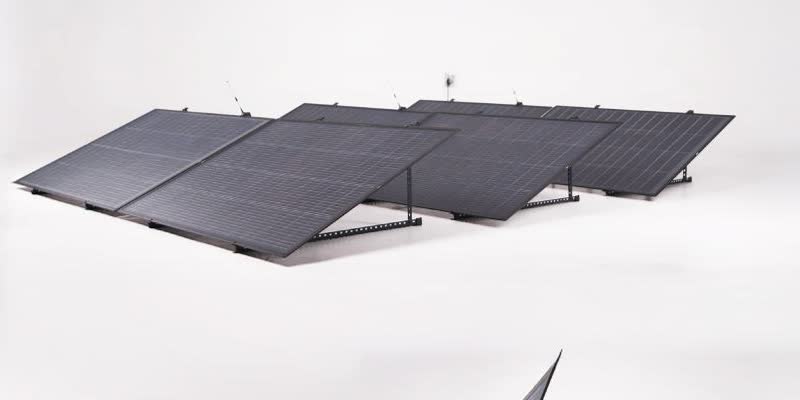 More space, more panels
Bigger yards support a bigger system.
More space, more panels
Bigger yards support a bigger system.
- Panels Make electricity.
- Microinverter Makes it usable by the home.
- Outlet Connects to a dedicated outdoor outlet.
Power meter
Watches what your home is using, so the system knows how much to produce.
Panels
Solar that fits
your space.
Thin, semi-flexible panels — not the thick glass modules built for a roof. Light enough to carry and position by hand, on stands rather than bolted down.
San Diego County
Built around San Diego
homes and power bills.
In San Diego, when you use electricity can matter almost as much as how much you use. SDG&E’s most expensive hours are typically late afternoon into evening; solar production peaks closer to midday. “Find My System” below uses your ZIP, your bill and San Diego’s own rate structure — not a national average.
- SDG&E delivers power countywide; San Diego, Chula Vista, La Mesa, Encinitas, National City and Imperial Beach also get generation through San Diego Community Power.
- Coastal vs. inland sun exposure changes what a system can realistically produce.
- Renters, condos and townhomes are common across the county — sizing here often starts smaller than a typical rooftop quote.
Rate data last verified 2026-08-24 · SDG&E · San Diego Community Power
Find my system.
Tell us your ZIP and a little about your electric use. We’ll show you a starting point.
We’re focused on San Diego County right now — this estimate uses San Diego assumptions regardless, so treat it as less precise outside the county.
Estimate will be less precise.
Store solar power to use after the sun goes down.
Estimate only, based on SDG&E's published TOU-DR1 rate structure (rates updated 2026-08-24). Actual savings depend on sunlight, shading, system placement, electricity use, rate plan and future utility rates. Solar mainly offsets electricity used while it's being produced, not SDG&E's evening peak window - storage can shift some of that, not all of it.
See assumptions
- 5.75 average peak sun hours per day, a regional average - not your actual sunlight.
- Rate assumptions for the selected plan and location.
- Production estimates include approximate system losses.
- Daytime usage share is an approximation, not a measurement of your home.
- Battery and self-consumption capture are approximated, not guaranteed.
- Summer (Jun–Sep) and winter/shoulder (Oct–May) are calculated separately and blended, not averaged evenly.
- This does not model future utility rate changes, incentives, financing or maintenance. No federal solar tax credit currently applies to a 2026 purchase (the 30% residential credit expired 2025-12-31).
Get a real number for your home
Review my billWe’ll use your actual SDG&E usage and your available solar space to refine the estimate.
Storage — optional
What battery
adds.
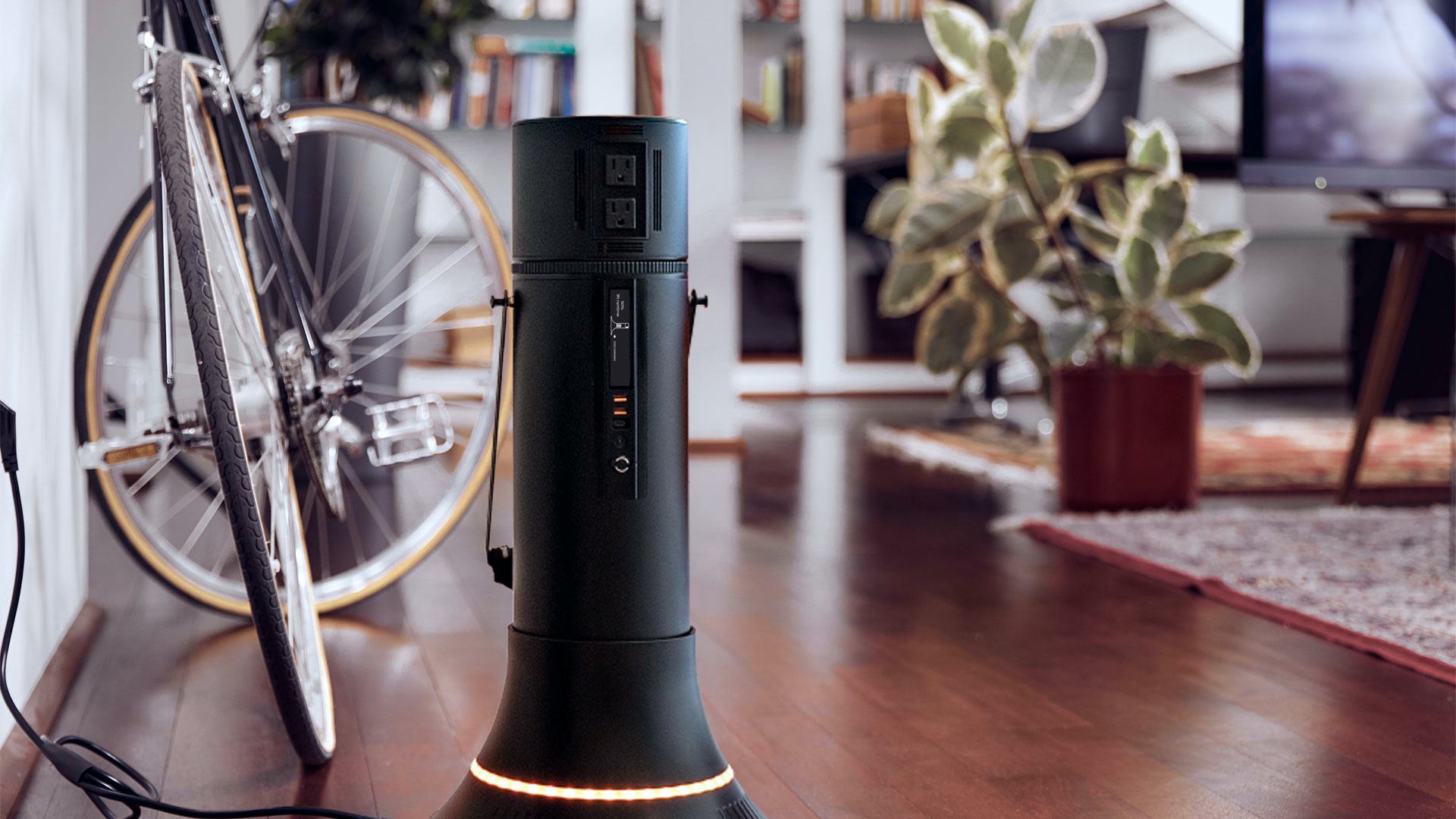
Solar works on its own. A battery adds three things.
- Use now — solar offsets what your home is using while it’s being produced.
- Save for later — stored energy can be used after the sun goes down.
- Backup — the battery’s own outlets can power select devices during an outage. Solar itself shuts off during an outage, for safety.
What can storage help power?
Everyday essentials
- Wi-Fi + router
- LED lighting
- Laptop
- Security system
- TV
- Desktop / electronics
Illustrative estimates. Actual runtime depends on the device, battery charge, system losses and how equipment is used.
Shop
Build your system.
Choose your solar. Add storage if you want it.
What you’ll need
- A sunny spot for the panels
- A dedicated outdoor outlet
- Access to your breaker box, for the power meter
- A 2.4GHz Wi-Fi connection
- A separate circuit if you’re adding battery storage
Some setups may also need a Smart Breaker if there isn’t a dedicated outlet leading straight to the breaker box.
- 1Solar
- 2Storage
- 3Review
Questions
What to know before you order.
Can I start with a smaller system?
Yes. The smallest system is 400 W: two panels and one microinverter.
Can I add more later?
Yes. Systems grow in 400 W steps. Storage grows by adding units, up to 4 kWh per set. Expansion is limited by your circuit and by local rules - confirm before assuming unlimited growth.
Do I need a battery?
No. Solar works on its own. A battery lets you use more of what you make, after the sun goes down, and adds limited backup for select devices during an outage.
Where can the panels go?
Balconies, patios, yards and railings. The panels are semi-flexible and sit on stands rather than being bolted to a roof.
How does it connect to my home?
Panels connect to a microinverter, which connects to a dedicated outdoor outlet. A power meter watches what your home is using so the system can match its output. Some setups need a Smart Breaker instead of a dedicated outlet - we'll help confirm which applies to you.
What happens during a power outage?
Grid-connected solar shuts off during an outage, for safety. If you have battery storage, its own backup outlets can keep select directly-connected devices running - this is not whole-home backup.
Is this legal to install without a permit in California?
Not guaranteed yet. A bill that would streamline small plug-in solar systems (SB 868) has passed the State Senate and is moving through the Assembly, but it is not law as of this writing. Permit, HOA and utility requirements currently still depend on your address - confirm locally before ordering.
Can I move the system?
The panels sit on stands and the battery plugs into an outlet, so components are not permanently fixed to the building. Moving a system is a question for your installer and your local rules.
What rules or approvals may apply?
Requirements depend on your address: your local electrical and building rules, your utility, and your building, landlord or HOA policy. Confirm these locally, and use a licensed electrician where required, before ordering.